Data. Intelligence. Possibility.
CareersContactsales@travinto.com
travinto.TECHNOLOGIES Let’s talk ↗

What are you looking for?

Start typing to explore Travinto.

MANUFACTURING & ENERGY / DATA · AI · AGENTIC AI

Understand the asset.
Improve the operating picture.

Manufacturing and energy data platforms, industrial AI, and agentic workflows connecting equipment, quality, production, maintenance, and operational knowledge.

Plant & production teamsMaintenance & reliabilityQuality engineeringIndustrial data & energy teams
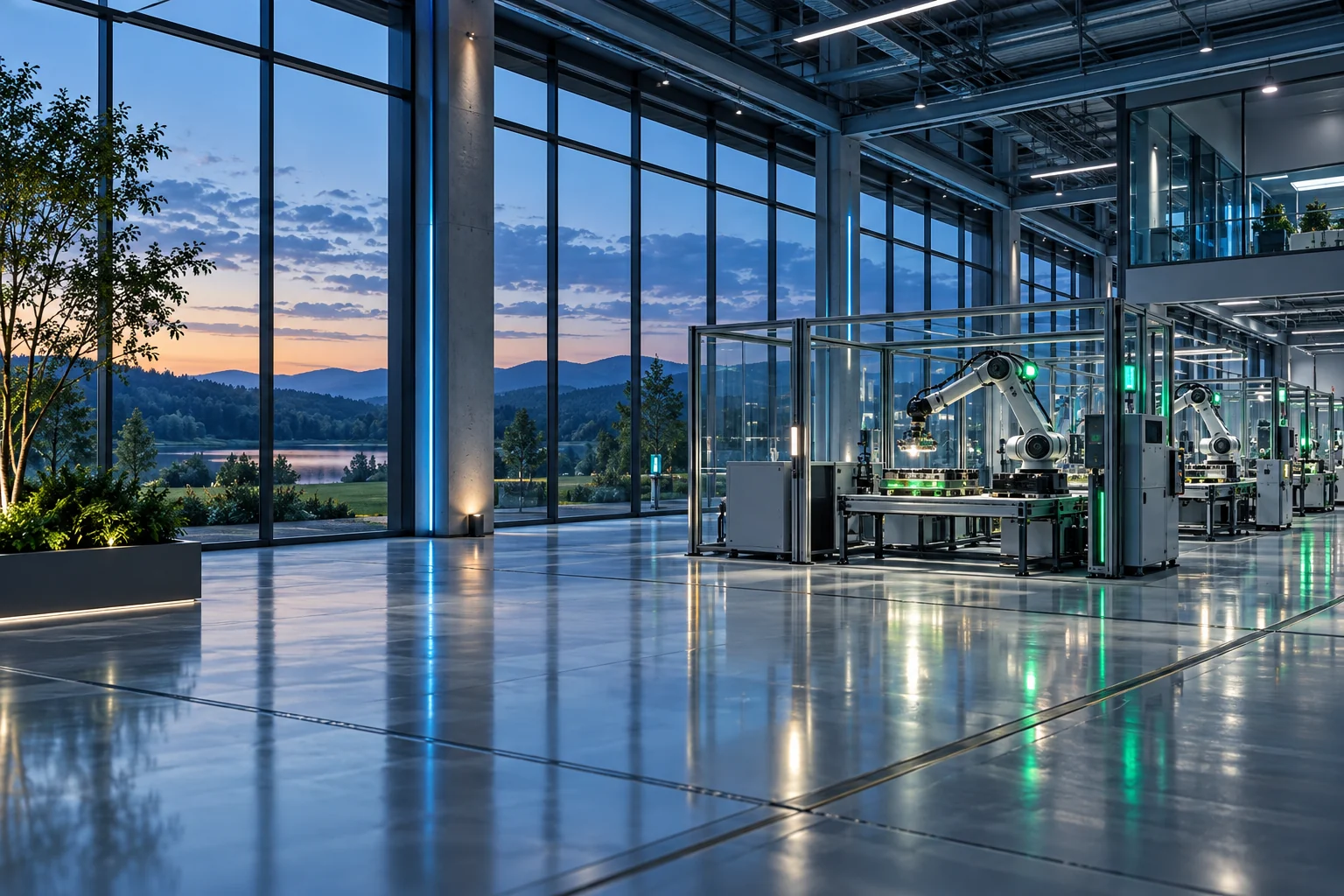
manufacturing & energy operating environment providing context for this industry's data and AI solutions
Industry illustration · not a client or Travinto facility
MANUFACTURING & ENERGY / SOLUTIONS & USE CASESAsset / component hierarchy

MANUFACTURING & ENERGY / CONCRETE USE CASES

Factory and energy scenarios grounded in operations

Follow the situation, evidence, proposed workflow, output, and review criteria. These are scenario blueprints, not customer results.

USE CASE 01

Equipment anomaly investigation

A maintenance planner sees an unusual signal but needs operating and service context before raising work.

What changes in the workflow
Align the observation; retrieve relevant history and guidance; flag uncertainty and missing context.
What the reviewer receives
A maintenance investigation draft with proposed checks for a qualified operator.
Read the complete use case ↗

USE CASE 02

Batch quality trace-back

A quality engineer investigates an inspection finding across materials, equipment, and process steps.

What changes in the workflow
Trace the batch relationships; gather supporting findings; separate observations from suspected causes.
What the reviewer receives
A quality investigation packet and missing-lineage exceptions.
Read the complete use case ↗

USE CASE 03

Shift-normalized energy review

An energy team investigates increased usage during a changed production schedule.

What changes in the workflow
Normalize the comparison; expose load and schedule differences; prepare investigation priorities.
What the reviewer receives
An energy evidence brief for operations review.
Read the complete use case ↗

HOW THE OPERATING MODEL CONNECTS

Equipment-centered investigation

EQUIPMENT-CENTERED INVESTIGATION

The asset, the observation, and the operating state belong together.

EXPLANATORY MODEL · NO LIVE DATA
Asset & operating stateThe equipment is the organizing context
TelemetryUnits + calibration
Service historyWork + inspections
ManualsApproved guidance
Production contextBatch + process state
Qualified maintenance / quality reviewObserved symptom is not a confirmed cause
Explore the data, AI, and governance details

Data architecture

Preserve equipment hierarchy, measurement units, calibration, sampling interval, and operating conditions. An anomaly is a signal to investigate, not a verified root cause.

AI architecture

Telemetry analysis, inspection assistance, and maintenance retrieval evaluated in the asset and process context.

Agentic AI architecture

Prepare maintenance or quality investigation evidence using approved manuals and records; route work and operating changes to qualified personnel.

INFORMATION SOURCES

Equipment telemetry & historiansMES, production & batch recordsMaintenance systems & manualsInspection, quality & meter observations

DOMAIN RELATIONSHIPS

Asset / component hierarchyObservation / unit / calibrationBatch / inspection / process stepWork order / operating state

ACCEPTANCE EVIDENCE

Asset-event alignmentFalse-alert and inspection review burdenWork-order evidence completeness
Read the complete industry architecture ↗

SIX SPECIALIST ROLES

Specialist industrial agents for evidence preparation

Choose a role to read its evidence inputs, proposed output, evaluation, and operating boundary.

SOLUTION SCOPE

Industrial solutions across the asset and production lifecycle

Open an area to see its scope and typical output. The use cases above show selected examples in depth.

01Asset reliability & maintenance knowledgeINDUSTRIAL AI

Assemble telemetry, manuals, work history, and operating context around an equipment issue.

Typical output: An evidence-linked maintenance investigation and proposed work-order draft.

Discuss this scope ↗
02Quality investigation & visual inspectionCOMPUTER VISION

Connect representative inspection images and findings to batch, process, and equipment history.

Typical output: Evaluated detection hypotheses and a quality-review exception queue.

Discuss this scope ↗
03Production performance foundationsDATA ENGINEERING

Define production state, downtime, throughput, and quality measures consistently across lines.

Typical output: Curated production data products and reconciled performance definitions.

Discuss this scope ↗
04Energy & utilities intelligenceANALYTICS + AI

Align meter observations with shifts, loads, production volumes, and relevant operating conditions.

Typical output: Normalized energy indicators and reviewable anomaly investigations.

Discuss this scope ↗
05Materials & supplier traceabilityCONNECTED DATA

Connect incoming materials, lots, inspections, and production consumption across handoffs.

Typical output: A traceable material-to-product evidence chain with missing links visible.

Discuss this scope ↗
06Digital twin & industrial platform readinessARCHITECTURE

Assess asset models, telemetry, simulation purpose, and validation needs before designing a twin or cloud/edge boundary.

Typical output: A scoped modeling blueprint and a testable industrial data foundation.

Discuss this scope ↗

CONTINUE WITH A SPECIFIC QUESTION

Choose the next
level of detail.

INDUSTRY DESIGN QUESTIONS

Before the first
assessment or pilot.

Can this work with our existing manufacturing & energy systems?

Start with an inventory of interfaces, permitted uses, identity boundaries, and data characteristics. Confirm connector and platform support for the selected scope; the examples on this page do not imply universal compatibility.

How should we scope the first engagement?

Choose one of the three scenarios on this page, a domain owner, a limited source sample, and a result your team can judge. Record dependencies and exclusions before agreeing the pilot or assessment.

Which decisions remain with people?

Equipment operation, safety actions, process changes, and work orders require qualified authorization.

What should a pilot prove?

Agree quality, review effort, access behavior, failure recovery, and operating expectations before a pilot. Use the domain acceptance checks in the technical detail, include incomplete and conflicting evidence, and compare with the current process before expanding.

MANUFACTURING & ENERGY / YOUR NEXT STEP

Bring industrial data into its operating context.

Bring one workflow, permitted example inputs, an accountable domain owner, and the outcome your team needs. Explore a focused assessment before widening the scope.

Discuss your manufacturing priorities ↗